




By Zhang Rongfeng, Li Jia and Zhang Hongyi
BEIJING, July 23 (Xinhua) -- As the countdown to the 2020 Olympics in Tokyo reaches the 12-month mark, Sunday, July 21, represented something of a perfect storm for Chinese athletes, with swimmer Sun Yang claiming his fourth consecutive 400m freestyle world title, China's women taking gold in the team epee event at the fencing world championships, and Xie Zhenye and Xie Wenjun winning the 200m and 110m hurdles respectively at the IAAF Diamond League in London.
Such results give credence to the notion that, after a slightly underwhelming third-place finish in the medal tally at Rio 2016, China is ready to bounce back and achieve its target of finishing second at Tokyo 2020, but the country will likely face a strong challenge from both host Japan and a revitalized Russia.
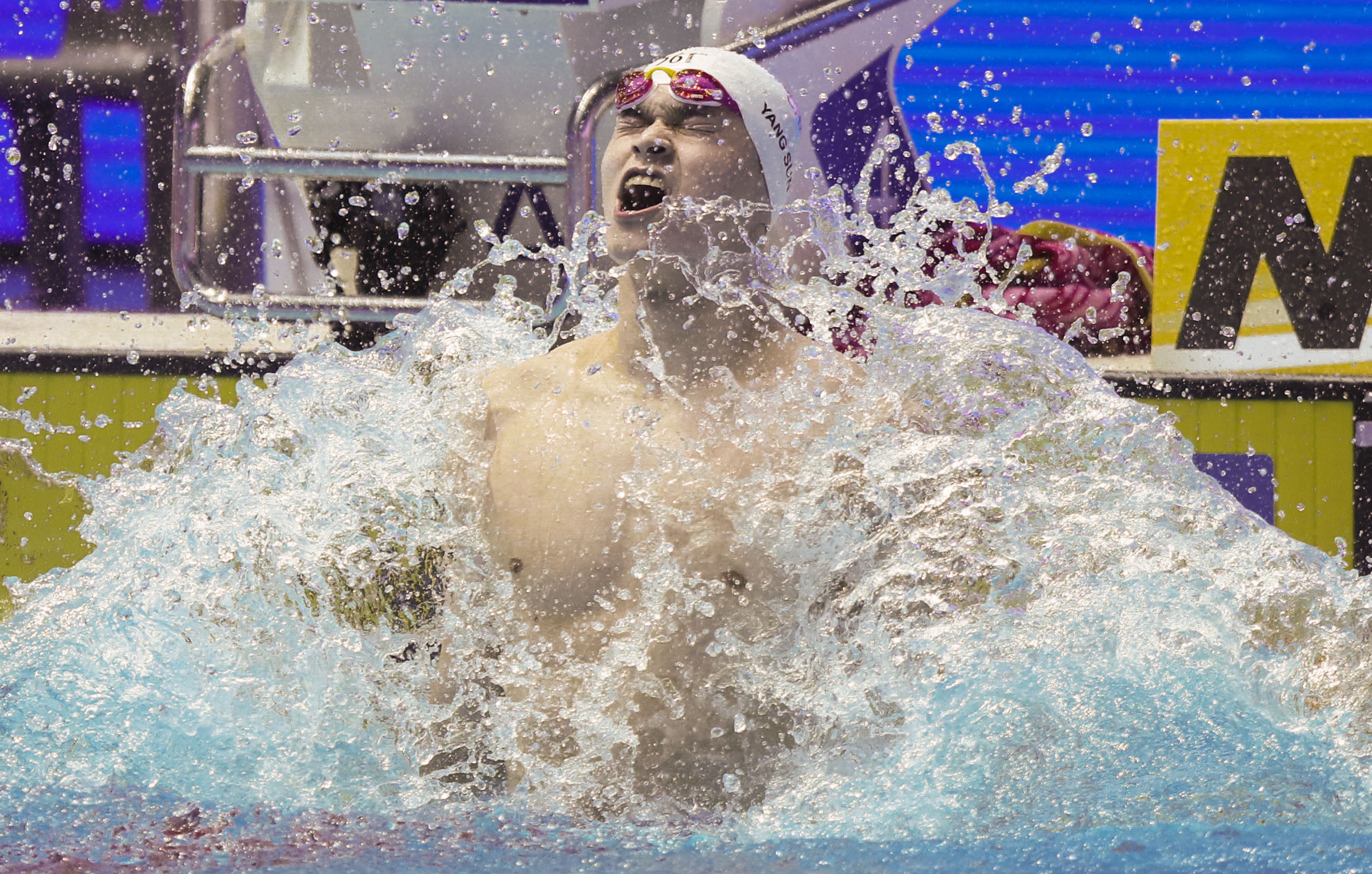
Sun Yang of China reacts after the men's 400m freestyle final at the Gwangju 2019 FINA World Championships in Gwangju, South Korea, on July 21, 2019. (Xinhua/Bai Xuefei)
CHINA'S STRONGHOLDS REMAIN THE SAME
China's gold medal bankers at the Tokyo Games will likely come from six sports - diving, weightlifting, table tennis, badminton, gymnastics and shooting. Between them, these sports have accounted for a massive 74 percent of China's total Olympic gold medal tally of 224 since Los Angeles 1984.
It appears likely that diving and table tennis will continue to be dominated by China, which has the capacity to sweep all the available golds in Tokyo. Zhou Jihong, president of the Chinese Swimming Association, and Liu Guoliang, president of the Chinese Table Tennis Association, both expressed their desire to "leave no stone unturned to secure the best results." With mixed doubles table tennis set to debut at Tokyo 2020, China can at the very least expect to match its Rio tally of four golds from table tennis and seven golds from diving.
The country can reasonably expect the other four sports to produce more gold medals in Tokyo than in Rio, when they managed to win only eight golds - five from weightlifting, two from badminton, one from shooting and none in gymnastics.
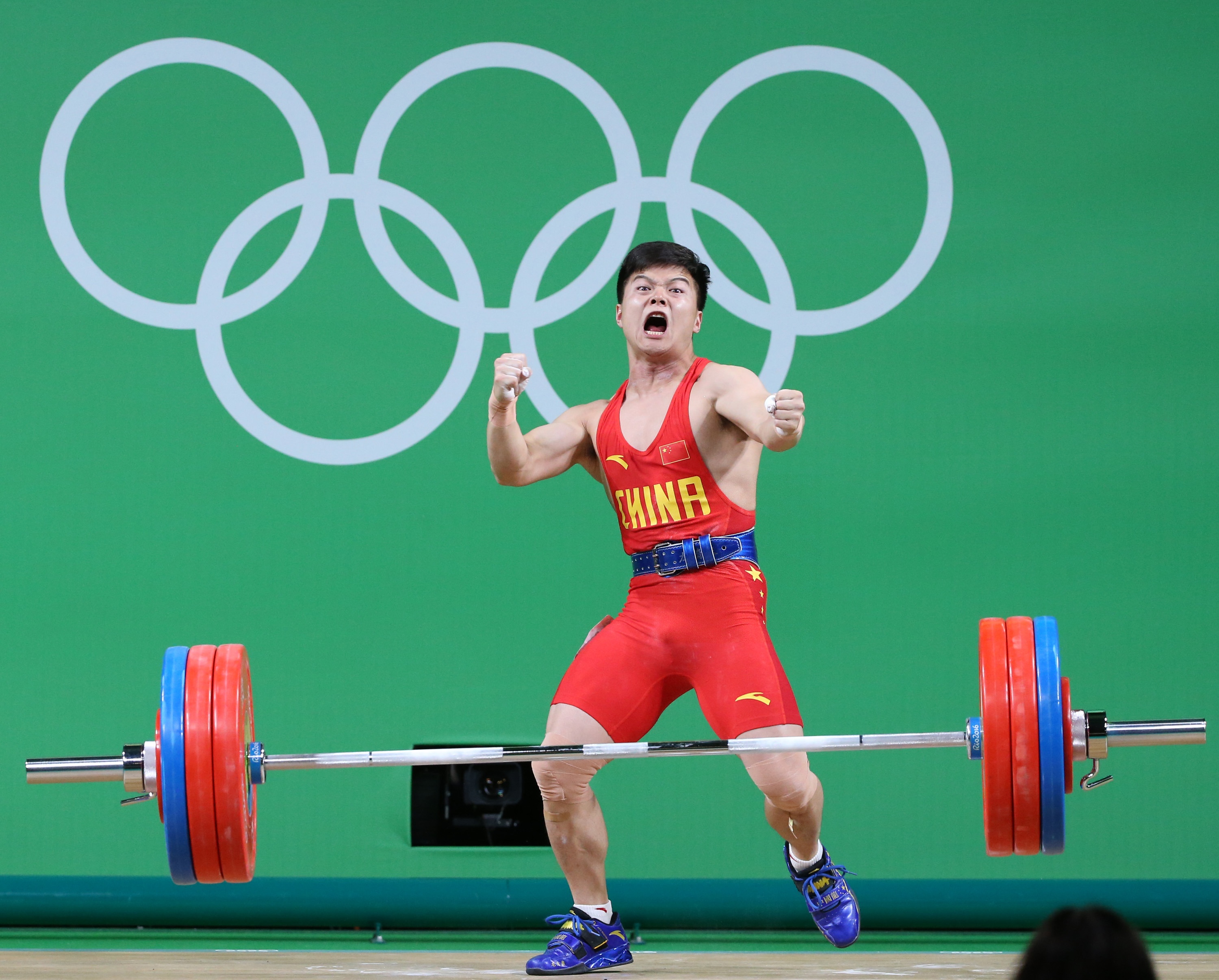
Long Qingquan of China celebrates after the men's 56KG weightlifting final in Rio de Janeiro, Brazil, on Aug. 7, 2016. (Xinhua/Li Ming)
China will be looking for a particular improvement in gymnastics, in which the country had won seven golds on home turf in Beijing in 2008. "We have nothing to lose this time, so mentally we're under no pressure to present what we're capable of in all categories," said Miao Zhongyi, director of the Chinese Gymnastics Administration Center. "We're full of hope."
But while China can rely on these six elite squads to earn more gold medals in Tokyo, its showing in the other sports may be key as to its final medal placing. "We are aiming to win 25 gold medals from the six [advantageous] sports. If we take 22, we will regard that as a failure, but if we can secure 28, we will see that as a success," said Liu Aijie, the former director of China's Olympics preparation training and now the president of the Chinese Rowing Association.
While there are no obvious sports for China to make significant headway in at Tokyo 2020, some Chinese sports officials are nevertheless optimistic of making a breakthrough. "Tokyo 2020 is a key point for the upgrading of Chinese athletics," said Tian Xiaojun, deputy director of the Chinese Athletics Administration Center. Similarly, Liu Aijie is ambitiously looking for three gold medals from rowing and canoeing next year, which would represent a best-ever result for China if achieved.
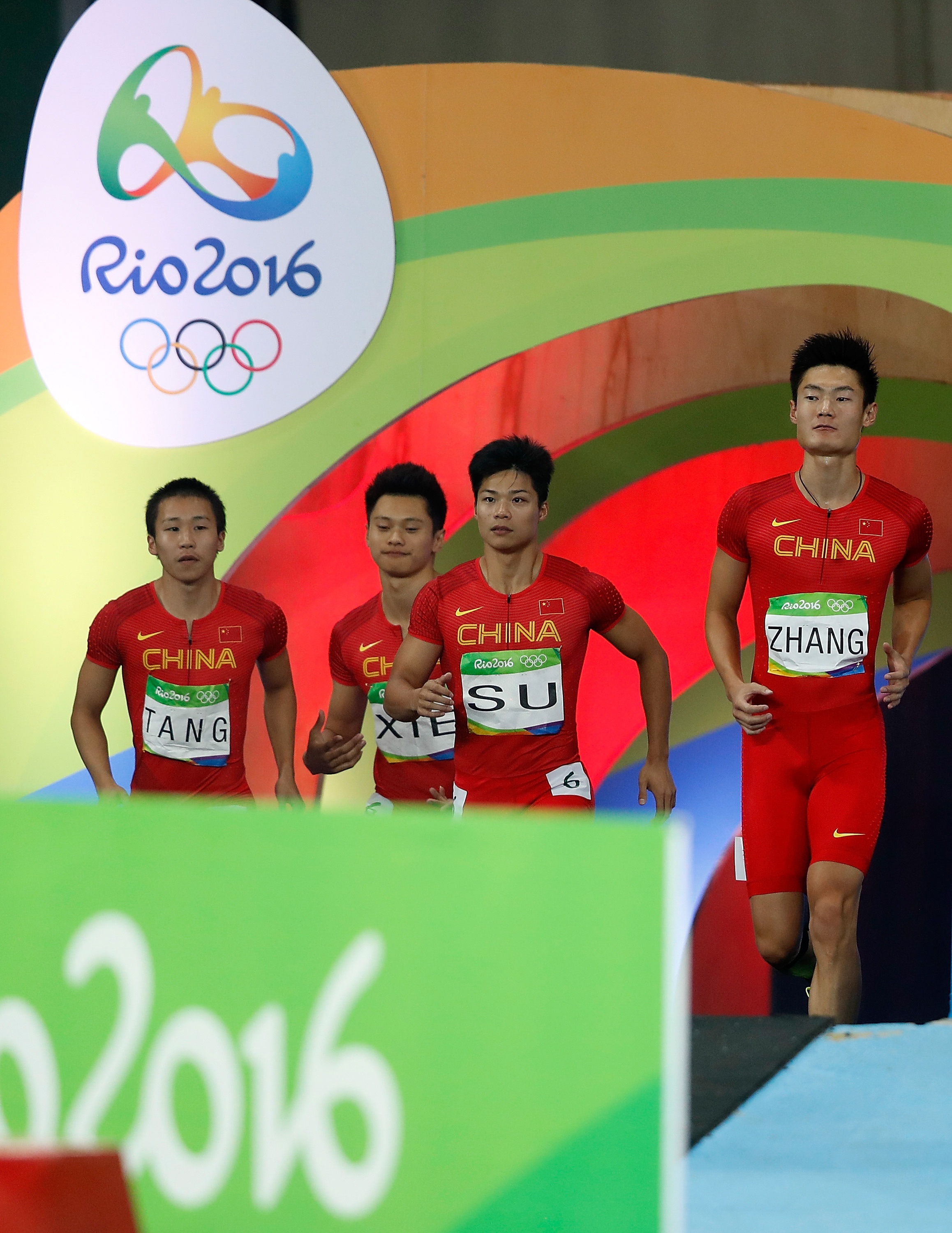
China's Tang Xingqiang, Xie Zhenye, Su Bingtian and Zhang Peimeng (L to R) are seen before the men's 4X100m relay final at the 2016 Rio Olympic Games in Rio de Janeiro, Brazil, on Aug. 19, 2016. (Xinhua/Wang Lili)
Equally, China is hopeful of winning between six and ten gold medals from a collection of other sports, such as athletics, swimming, cycling, rowing and canoeing, taekwondo, wrestling, boxing, judo and fencing.
But while Tokyo 2020 will see the addition of five new sports - skateboarding, surfing, sports climbing, baseball and softball, and karate - China is not expecting to have any competitive edge in any, save perhaps for a few events in karate.
Referring to China's performance of having collected 32 golds, 30 silvers and 26 bronze medals from major global tournaments in 2018, which represented a significant improvement on 2017 (27 golds and 76 medals in total) and 2016 (26 golds and 70 medals in total), it is reasonable to assume that China's gold tally will exceed the 26 achieved in Rio, and may possibly reach as high as 35 in Tokyo.
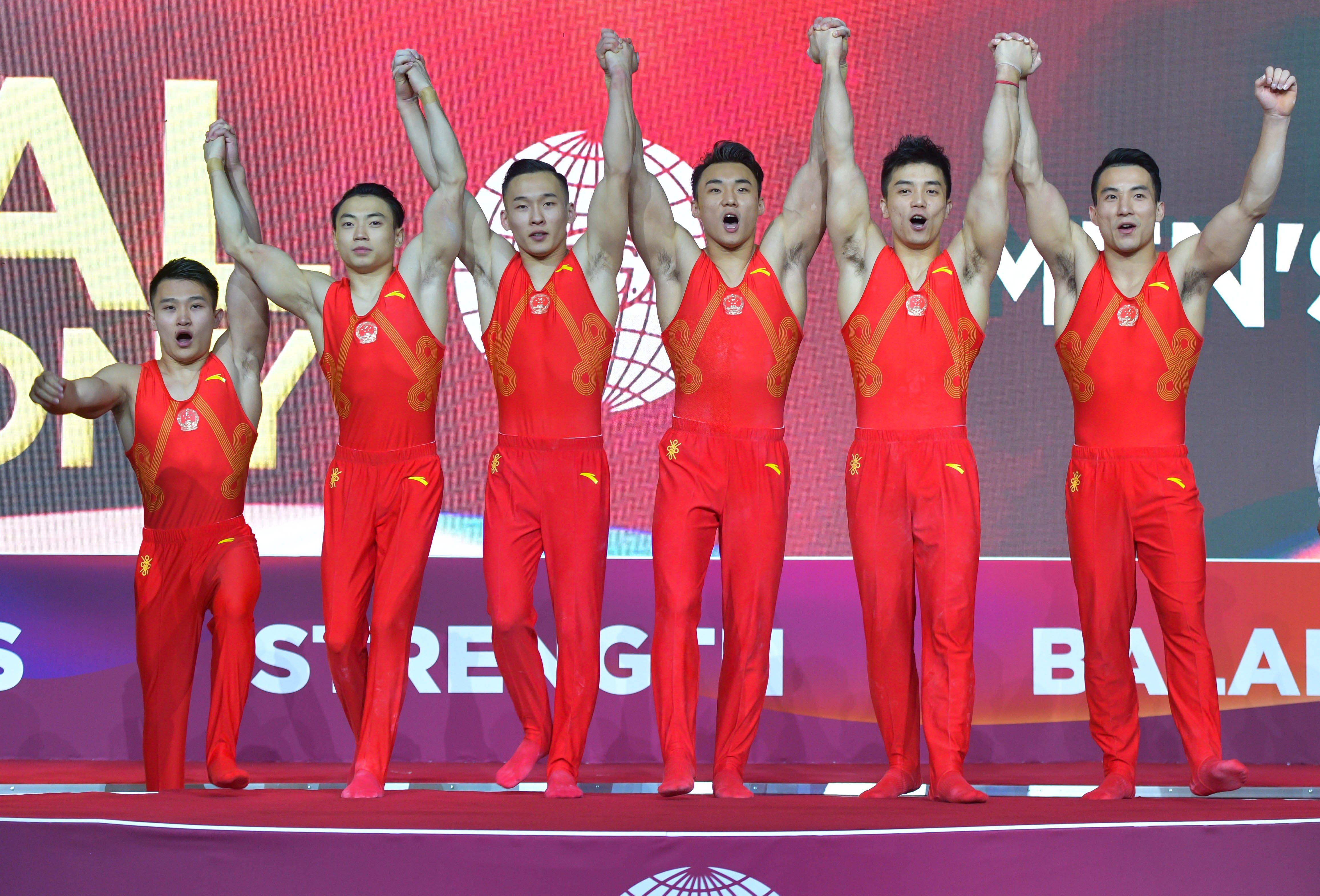
Members of team China celebrate on the podium after winning the Men's Team Final at the 2018 FIG Artistic Gymnastics Championships in Doha, capital of Qatar, on Oct. 29, 2018. (Xinhua/Nikku)
JAPAN HAS POTENTIAL TO REACH TOP THREE
As host nation, Japan cannot be underestimated at the 2020 Olympic Games. They are aiming to win 30 gold medals, a significant uptick from their previous best of 16. According to Tsuyoshi Fukui, secretary general of the Japanese Olympic Committee (JOC), Japan has overwhelmingly improved its competitiveness at the Olympic Games.
"We talked with sporting federations and concluded that 30 gold medals would be a realistic target," Fukui told Xinhua in a recent interview.
Japan's ambition is well supported by huge investment. The country allocated 4.85 billion yen (44.7 million US dollars) to sporting development in 2014, and this was raised to 7.4 billion yen (68 million US dollars) in 2015 and again to 10 billion yen (93 million US dollars) in 2019.
The country set up a program to raise the standard of its competitive sports after the 2016 Rio Olympics, known as the "Suzuki Plan", spearheaded by Daichi Suzuki, commissioner of the Japan Sports Agency. "It's a mid-to-long term program," Suzuki explained. "It not only focuses on the Tokyo Games, but also aims at achieving progress at the following two to three Olympic Games. The objective is to establish a mechanism which can help our athletes keep improving for the long-term."
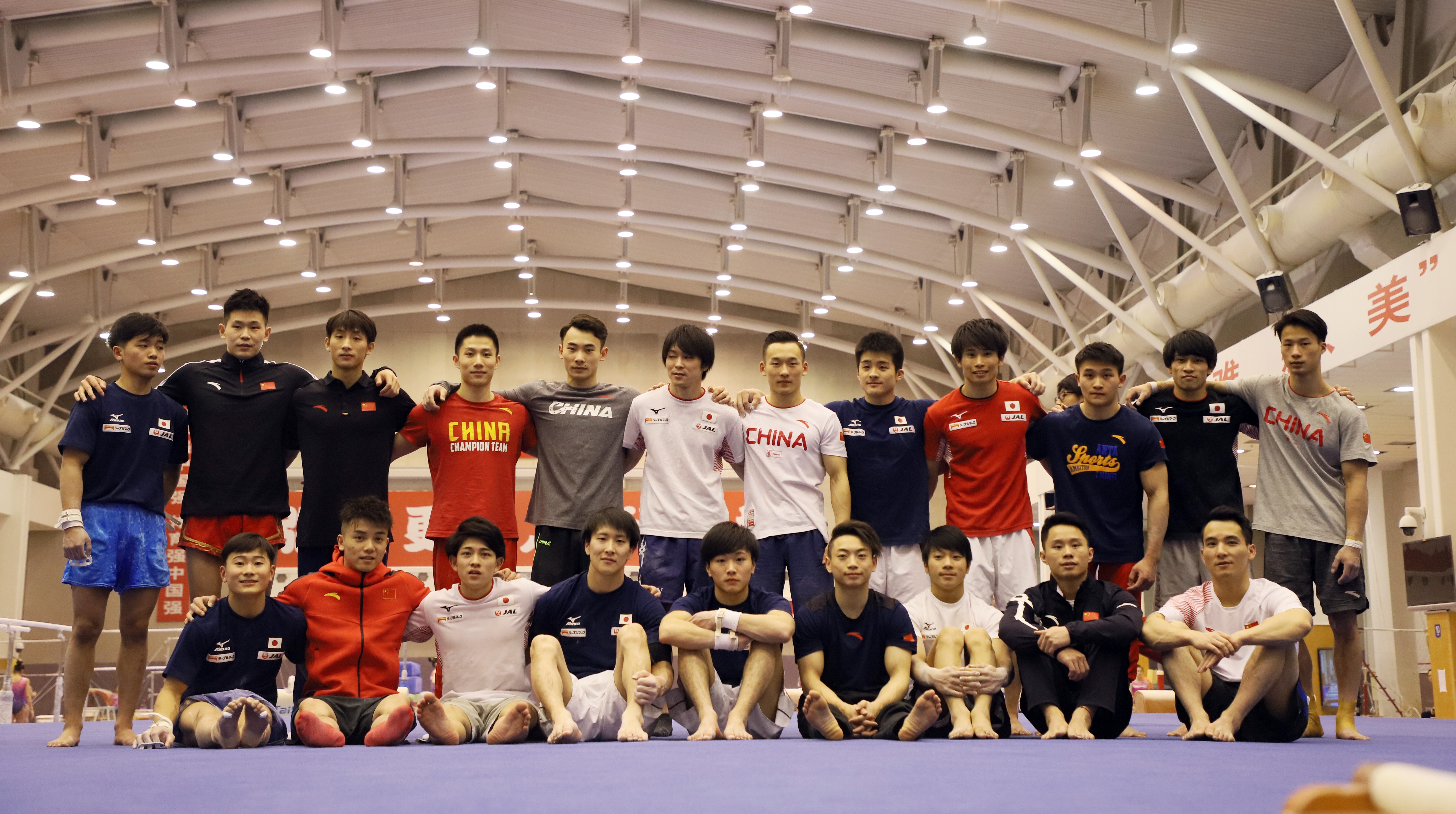
Members of Chinese and Japanese men's gymnastics teams pose for a group photo after a training in Beijing, capital of China, on Jan. 30, 2019. (Xinhua/Luo Yuan)
With the support of the program, Japan set up a purpose-built center to advance its athletes' all-round capabilities in 2016, and pushed forward a "Tokyo Olympics Key Sports" project. This led to the budget in 2019 for Japan's medal hopeful sports - karate, judo, gymnastics, badminton and wrestling - witnessing a 30 percent year-on-year increase over 2018, while the budget for swimming, table tennis and eight other sports was raised by 20 percent. Additionally, Japanese athletes have been encouraged to compete in a greater number of international events.
"Among all the Olympic gold medals Japan has won, 85 percent have come from judo, swimming, wrestling and gymnastics," Fukui said. "We need to keep on our advantages in these four sports at the Tokyo Games, but we also realize that we cannot only depend on our traditionally strong sports. Japan has only ever gained gold medals in 12 sports in modern Olympic history, so we must seek to expand our potential medal hopes."
The JOC has added badminton, track and field and table tennis to the list of sports it hopes to medal in, as part of a project of "Seven Top Sports" towards Tokyo 2020.
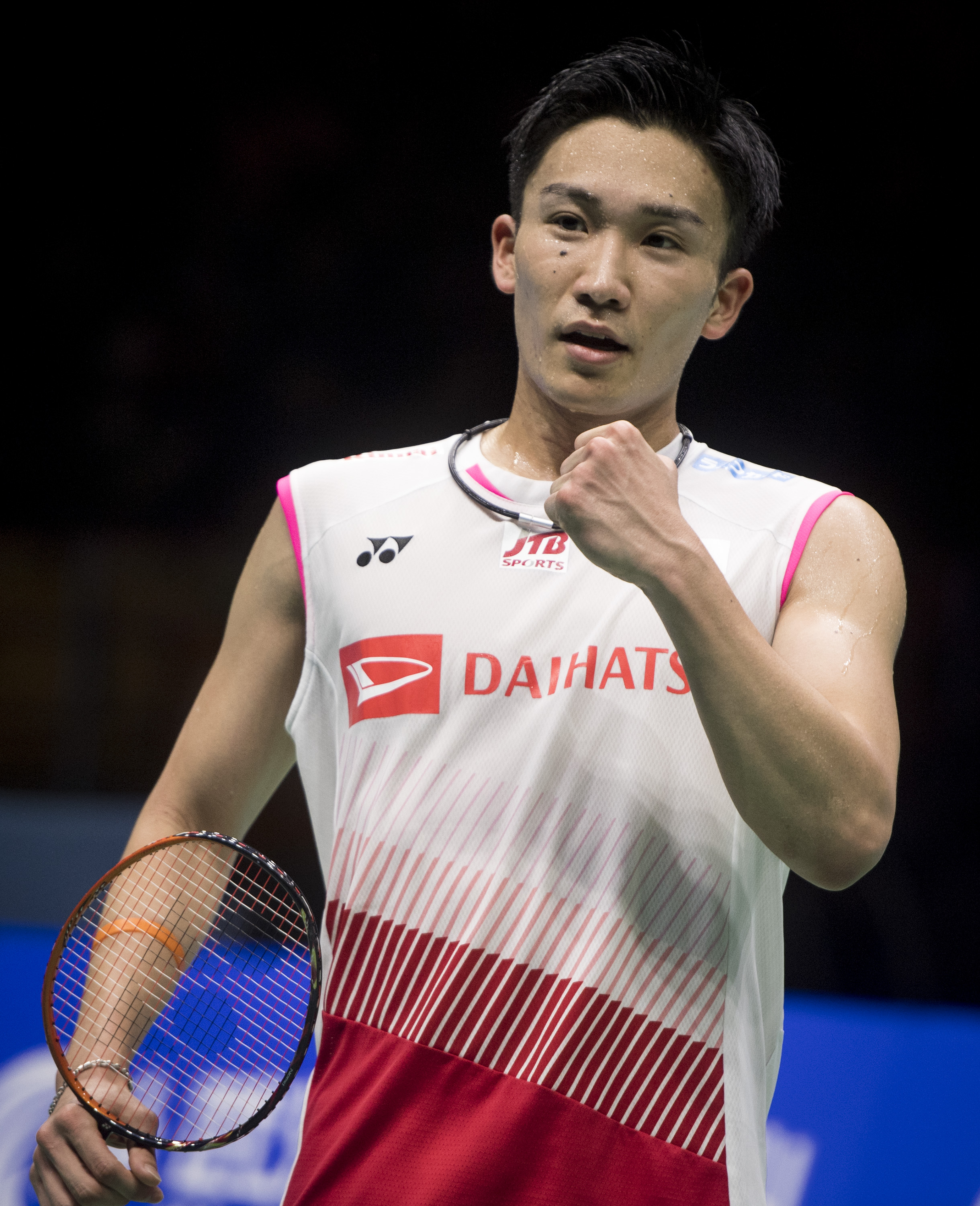
Momota Kento of Japan celebrates during the men's singles final match between Momota Kento of Japan and Shi Yuqi of China at the BWF Badminton Asia Championships 2019 in Wuhan, capital of central China's Hubei Province, on April 28, 2019. (Xinhua/Xiao Yijiu)
Japan is also pinning high expectations on the five new Olympic sports for 2020. As Fukui said, "We have high expectations for the five new sports, as we have medal-winning possibilities in all of them."
Japan won three golds, six silvers and one bronze medal from the new five sports across major global competitions in 2018, a better total than even the USA's three golds, two silvers and one bronze.
In 2018, Japan took a total of 22 gold medals from major events, behind only the USA, China and Russia.
But Liu Aijie cautions that even those 22 gold medals do not tell the full story of Japan's strength. "35 (golds) is possible for them," Liu said. "I think China's top rival for second place at the Tokyo Games will be the host country, and then it's Russia."
CAN CHINA SECURE A TOP THREE FINISH?
USA has long been tipped to top the medal table in Tokyo, and is expected to return over 40 gold medals. After having upset the odds to finish runner-up at Rio 2016, Britain may slide out of top four, with the boost from having hosted the 2012 London Games likely to be fading. With this in mind, the top two to four places are likely to be contested by China, Japan and a rejuvenated Russia, which in recent years suffered huge setbacks with IOC imposing bans on many athletes after allegations of a state-sponsored doping program came to light.
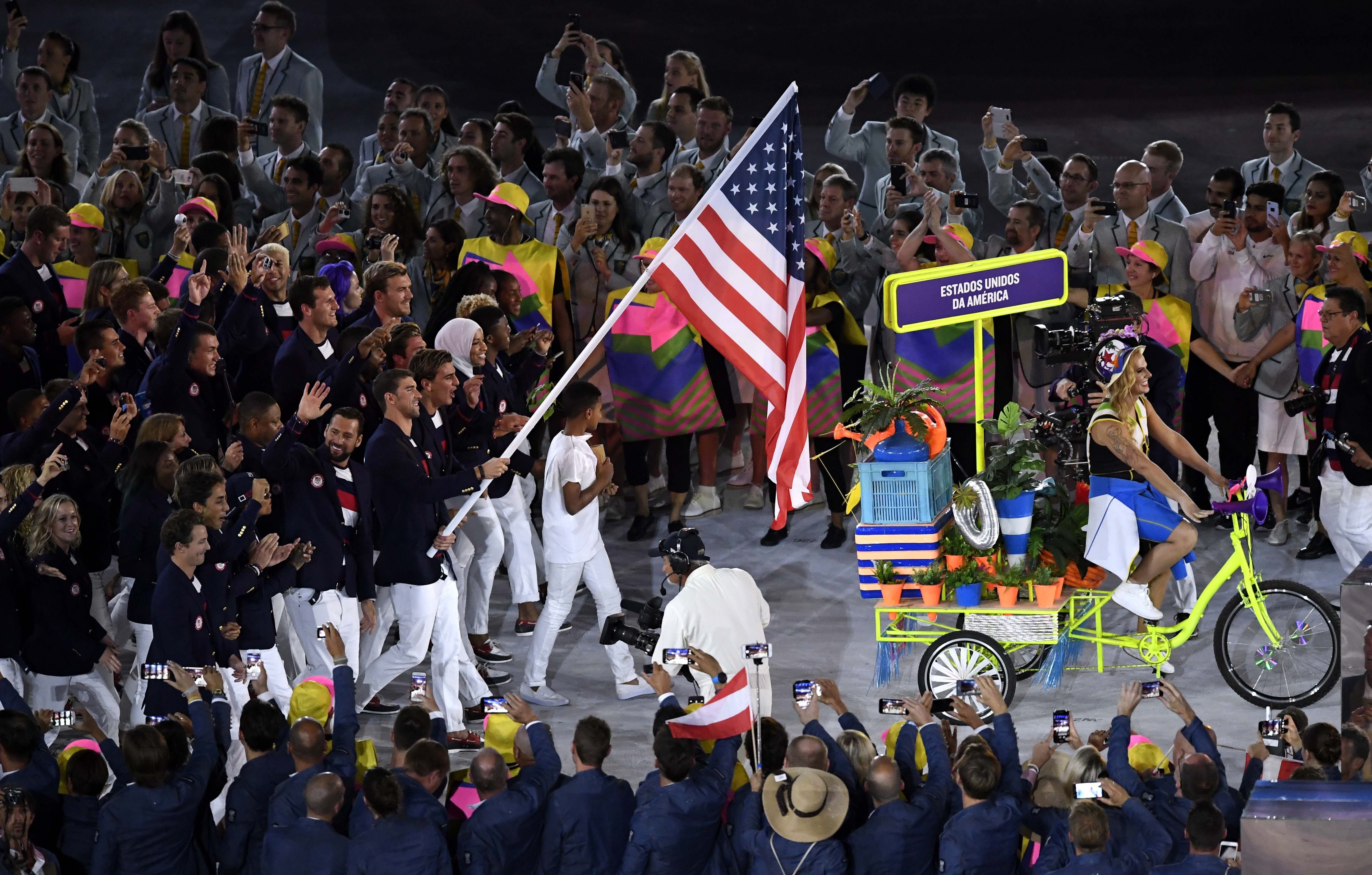
The delegation of the United States parade into Maracana Stadium during the opening ceremony of the 2016 Rio Olympic Games in Rio de Janeiro, Brazil, on Aug. 5, 2016. (Xinhua/Qi Heng)
Russia, which, like China, is traditionally strong in gymnastics and shooting, ought to be capable of notching 30 gold medals if IOC restrictions are completely lifted, considering their performance of having scooped 27 gold medals from top global events in 2018.
It seems inevitable that there will be a certain degree of seesawing in Tokyo between China and Japan, as the two countries are similarly strong in gymnastics, badminton, table tennis and athletics. Liu Guoliang views Japan as the main obstacle to China's aim of achieving a clean sweep of five golds in table tennis. "As host of the Tokyo Olympics, the decision to introduce mixed doubles table tennis to the Games is out of Japan's strategic interest. Only one pair of players from each country is allowed to take part in the event, so it's an equal chance for either team," Liu said.
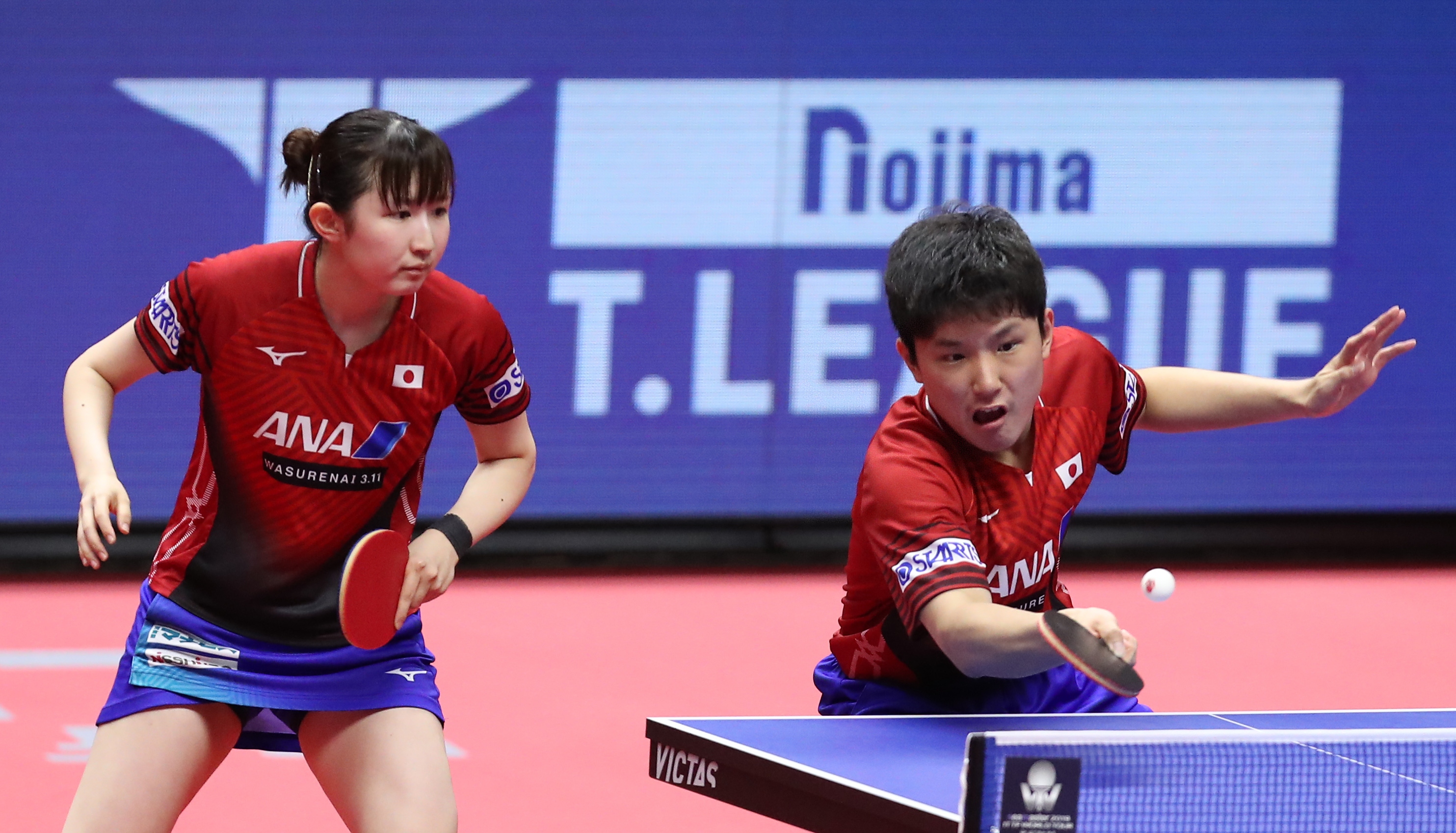
Tomokazu Harimoto (R) and Hina Hayata of Japan compete during the mixed doubles final against Xu Xin and Zhu Yuling of China at ITTF World Tour Platinum Japan Open in Sapporo, Japan, on June 15, 2019. (Xinhua/Du Xiaoyi)
Japan is also an arch rival of China in athletics. "China and Japan have a direct competition in athletics. Japan has set a goal of two golds on the sport, counting on the walk race and the men's 4X100m relay, exactly the same gold medal hopes as ours," Tian Xiaojun said. "So we need to defeat Japan if we want to accomplish our objective." It's also expected that there will be gold medal showdowns between China and Japan in men's gymnastics and badminton.
Some Chinese sports officials are troubled by unpredictable home court factors, which usually act in favor of the host athletes. "Gymnastics is a point-scoring event and the gymnasts from the host country are likely to be favored by judges, so it makes the result more unpredictable," Miao Zhongyi said.
Nevertheless, China is gearing up to take full advantage of the remaining year before Tokyo 2020. "What we need to do is to be the best we can be. We are only one year away from the Tokyo Olympics, though problems still exist in our preparation, and one year can still change a lot of situations," Liu Aijie said. "A lot of problems can be sorted out in one year. Our overall strength is formidable and we can also enhance our strength further in the final dash, so we have our confidence."
